How to Set Up Rank Math SEO for Beginners
Quick Answer: Algorithmic Content Optimization Made Simple
The core optimization platform stands as one of the most beginner-friendly WordPress SEO extensions available in the modern digital publishing ecosystem… It elegantly helps you optimize your blog posts, generate dynamic XML sitemaps, manage custom meta descriptions, and enhance structural on-page signals without requiring advanced engineering knowledge. Taking the time to properly set up Rank Math SEO turns confusing search parameters into a clear, interactive checklist that prepares your platform to compete in organic search results.
When I first activated my publishing environment and applied the core settings, I honestly thought that writing incredible, high-quality content would be more than enough to capture audience attention. However, I quickly discovered a harsh digital reality: writing an amazing article and helping search engine crawler bots thoroughly understand its context are two completely different administrative tasks. That is exactly why I decided to deploy and set up Rank Math SEO across my entire framework.
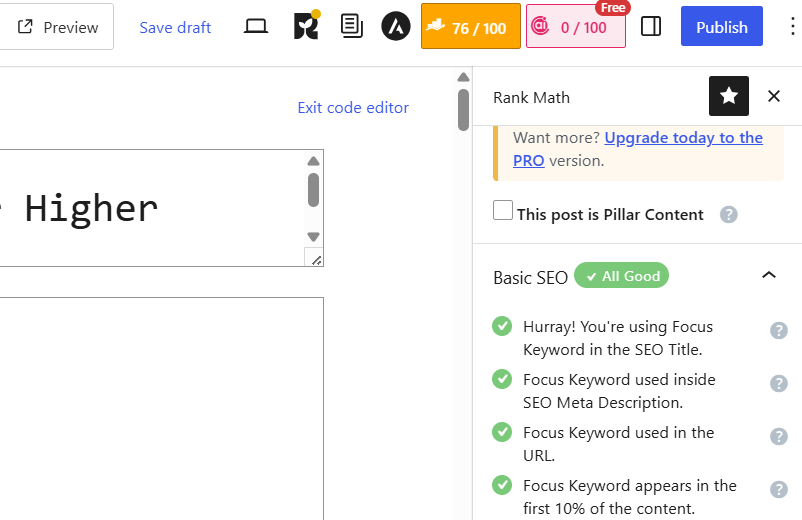
At first, seeing my initial optimization score hover around a dismal 10/100 was incredibly discouraging. The module highlighted dozens of technical recommendations I had never even heard of before, including focus keywords, meta descriptions, internal links, external links, URL slugs, and heading structures. It looked utterly overwhelming. Fortunately, I soon realized that the system isn’t there to criticize your creative writing; it is engineered to guide you through building an elite, search-friendly article one deliberate step at a time. After applying a few improvements, my score climbed above 80, and I finally understood how to set up Rank Math SEO for long-term growth.
Why Structured Search Engine Optimization Signals Matter
Search algorithms do not simply read your content the way a human enthusiast does. Instead, they rely heavily on backend technical signals that help explain exactly what your article is about, which specific search terms hold the highest priority, how your internal headings are organized, and how individual pages connect together. When you set up Rank Math SEO, you gain the ability to control and optimize these critical parameters without needing a background in computer science.
Without a reliable assistant framework active in your dashboard, it is incredibly easy to forget vital elements like writing an engaging meta description, creating an optimized SEO title, shortening your URL slugs, adding descriptive image alternative text, or linking related articles together. The optimization wizard turns these chaotic tasks into a highly predictable workflow. Instead of guessing what to fix, you will know exactly what your next step should be to maximize your visibility.
LIVE PROOF: How My Initial Optimization Score Graph Climbed
When I first installed the module after auditing my essential WordPress plugins for beginners, I foolishly expected the software to handle everything automatically in the background. Instead, my very first draft received a score of only 10/100. I immediately wondered if I had written a completely terrible piece of content.
Then, I looked more carefully at the specific recommendations. Most of the parameters weren’t asking me to completely rewrite my creative copy. They simply suggested structural refinements like assigning a clean primary focus keyword, shortening the URL path, inserting internal links, and connecting to trusted external assets. One by one, I followed the layout guidelines to set up Rank Math SEO correctly on that post. As I learned how each individual recommendation functioned, my analytical score gradually climbed well above 80. More importantly, I stopped obsessing over the raw number and started focusing on building cleaner, more organized articles that both readers and search engines could easily navigate.
Step-by-Step Blueprint: The 9 Core Setup Rules for High Rankings
Follow this exact sequence to properly configure the framework and set up Rank Math SEO for maximum organic crawl performance.
Step 1: Install and Activate the Framework Module
From your administrative panel, navigate directly to Plugins → Add New. Type “Rank Math SEO” into the repository search bar. Click install, activate the utility, and allow the automated configuration wizard to launch on your screen.
Step 2: Complete the Automated Configuration Wizard
The system wizard will seamlessly guide you through identifying your website type, entering basic brand information, mapping out XML sitemaps, and configuring basic data schema attributes. For most new publishers, selecting the recommended factory default settings is the absolute best operational choice.
Step 3: Assign One Definitive Primary Focus Keyword
Every single informational article you publish must target one distinct primary search query. This keyword serves as the main thematic pillar that both human readers and search algorithms associate with your content. Ensure this term is selected before writing your copy to properly set up Rank Math SEO metrics.
Step 4: Craft a Compelling, Keyword-Rich SEO Title
Your public search title must include your exact focus keyword, remain around 50–60 characters (under 600px width) to avoid truncation, and utilize engaging language to encourage user clicks. Incorporating numbers or powerful adjectives often dramatically improves your organic click-through rates.
Step 5: Optimize Your Meta Description Snippet
Your meta description must naturally summarize your content while seamlessly integrating your core keyword string. Treat this short snippet as an organic text advertisement inside Google’s search result pages; it needs to be highly informative rather than filled with keyword stuffing.
Step 6: Streamline Your Primary URL Slug Path
Short, concise URL paths are infinitely easier for algorithms to index and humans to share. As you set up Rank Math SEO on individual posts, replace long, default titles with clean, optimized slugs like set-up-rank-math-seo rather than cluttered strings.
Step 7: Follow Practical Optimization Guidelines—Not Just the Score
Many new bloggers become completely obsessed with achieving a perfect 100/100 score on every post. That is a dangerous misuse of the tool. Treat the software as a helpful learning mechanism to polish your work. A solid score in the 80 to 90 range paired with truly exceptional writing is infinitely more valuable than chasing a perfect number on a mediocre article.
Step 8: Connect Your Google Analytics and Search Console Integrations
During the setup phase, allow the plugin to securely interface with your Google account. This connection bridges your dashboard directly to Google Search Console and Google Analytics, allowing you to monitor your growing search impressions and index status directly from your WordPress environment.
Step 9: Review Your Final Content Readability Checklist
Before hitting the publish toggle, spend sixty seconds reviewing the built-in readability tab. Ensure your paragraph blocks remain short, your use of subheadings is logically structured, and your media elements contain proper descriptive titles.
Common Mistakes: Optimization Pitfalls That Ruin User Experience
While the system is designed to simplify on-page optimization, it is still entirely possible to configure your content incorrectly. Avoid these classic beginner errors as you set up Rank Math SEO:
- Treating the Optimization Checklist Like a Video Game: Forcing awkward, repetitive sentences into your copy just to turn a specific indicator light green, which ultimately ruins readability for your human readers.
- Stuffing Your Focus Keyword Unnaturally Across Paragraphs: Repeating your exact keyword string in every single sentence. Search algorithms are incredibly smart and will instantly penalize your site for keyword stuffing.
- Operating Isolated Content Without Internal Links: Publishing articles that exist completely on their own. Algorithms prefer cohesive architectures where related topics link together naturally to share link equity.
- Completely Ignoring High-Authority External Links: Forgetting to link to trusted reference sources. Connecting your articles to official repositories proves to search engines that your content is thoroughly researched and verified.
Frequently Asked Questions (FAQ)
Q: Is it absolutely necessary to achieve a perfect 100/100 score on Rank Math?
A: No, absolutely not. A score between 80 and 95 is completely excellent. Your absolute highest priority must always remain creating useful, trustworthy content for human readers rather than chasing a mechanical number.
Q: Can I safely switch from Yoast to Rank Math without losing my existing SEO data?
A: Yes. When you set up Rank Math SEO, the built-in import wizard allows you to seamlessly migrate all your existing meta titles, descriptions, and focus keywords from Yoast with a single click, resulting in zero data loss.
Q: Does a high optimization score guarantee my article will rank number one on Google?
A: No. The plugin functions as an exceptional content assistant, but search engines evaluate hundreds of external ranking factors, including domain authority, user experience, backlink profiles, and real search intent matching.
Q: How many individual focus keywords should a beginner target per article?
A: For beginners, it is highly recommended to focus entirely on one primary keyword per post. Attempting to optimize a single piece of content for multiple unrelated topics usually dilutes your contextual authority.
Next Step: Verifying Your Optimized Site with the Search Giant
Now that you know how to set up Rank Math SEO and your on-page framework is fully prepared to transmit pristine optimization signals, your next critical milestone is ensuring the search giant actually indexes your hard work.
In our next practical handbook, we will take your optimized structure and connect it directly to your official webmaster command center, allowing you to submit your dynamic sitemap and request instant indexing for new articles:
Next Step Guide: How to Set Up Google Search Console for a New Blog
Final Thoughts
When you first initialize your dashboard, on-page optimization can feel like a confusing maze of technical rules and metrics. However, once you properly set up Rank Math SEO, you quickly realize the platform is an incredible teacher rather than a harsh judge. Every recommendation teaches you a small, valuable principle of modern search visibility. Over time, you will notice a fascinating shift: you will need to rely on the checklist less and less because writing clean, structured, and search-friendly articles will naturally become your default writing habit. Focus on helping your audience first, use the tools to polish the details, and watch your digital asset grow with confidence!